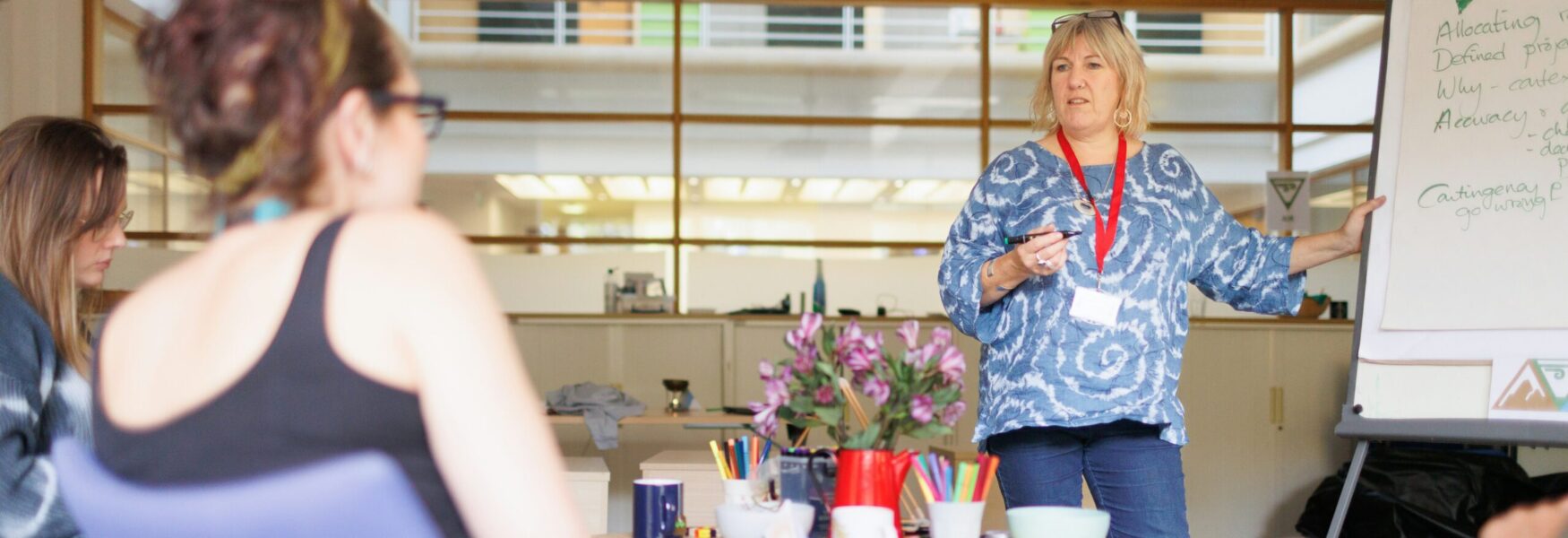
We know that women experiencing homelessness face specific realities and challenges, which can differ vastly when compared to men facing homelessness. This can be from the reasons women experience homelessness, the form it can take, and the risks it poses. This is why frontline workers need to be equipped with the specific knowledge and skills to support women into safety.
Leeds Women’s Housing and Homelessness Frontline Network
The Leeds Women’s Homelessness and Housing Frontline Network launched in 2021 and is facilitated by Basis Yorkshire.
This network brings together frontline workers providing intensive support to women in Leeds. It is a much-needed forum given the lack of gendered focus and initiatives on homelessness and includes increased attention on hidden homelessness, Domestic and Sexual Violence and other traumatic experiences more often experienced by women. It also ensures specialist agencies such as those supporting sex workers and migrant women, harm reduction agencies, criminal justice, are invited to contribute, given the strong link between these issues and homelessness.
The network’s activities have included linking frontline staff with Leeds City Council to discuss strategies to address hidden homelessness, providing free training around domestic abuse in homelessness settings, and conducting a rough sleeping census of women in Leeds.
“When those on the frontlines are the first to face the shifting needs of the vulnerable, we must keep their hearts and minds at the forefront—because care begins with those who give it.“
Annie Butterfield, Network Facilitator
Census
Homelessness is often seen through a one-size-fits-all lens, but the reality for women sleeping rough is complex, hidden, and deeply personal. This is why Basis contribute to an annual Women’s Rough Sleeping Census in Leeds. The census shines a vital light on these lived experiences and the urgent need for gender-specific, trauma-informed services. Below is an excerpt of a blog from Annie Butterfield, the Housing and Influencing Change Worker at Basis Yorkshire, ahead of 2025’s census being published in Spring 2026. Annie also facilitates the Leeds Women’s Homelessness and Housing Frontline Network.
Where do women sleep when sleeping rough? The most frequent answers were sleeping outside, walking around all night, staying with friends or acquaintances, and in hostels or supported housing. This transient, often hidden nature of women’s rough sleeping underlines why they are often missed in official statistics.
Before sleeping rough, many women were sofa surfing or living in social rented housing—circumstances where timely and tailored support could reduce the risk of homelessness. Others had recently exited prison, emergency accommodation, detox centres, or supported housing, illustrating the complex transitions that require coordinated preventative measures to better support women at risk.
The Path Forward
Leeds’ Women’s Rough Sleeping Census demonstrates real progress in understanding women’s unique experiences but also underlines persistent challenges. To truly address women’s rough sleeping, investment in gender-specific pathways, permanent housing, trauma-informed care, and consistent, compassionate support is essential.
Influencing work and engagement with decision makers
The Leeds Women’s Network is actively undertaking influencing work to ensure local, frontline concerns are amplified to strategic and national decision makers. This work includes:
- Undertaking and disseminating the Women’s Rough Sleeping Census 2025, with the most recent frontline network meeting focused on census reflections.
- Sharing learning and recommendations locally and nationally, including presenting at a national SHP census reflections meeting.
- Using the MEAM (Making every adult matter – Leeds) system change “Flex the System” tracker at Frontline Network sessions to collate recurring barriers and themes, which are then fed into strategic forums.
- Working to embed the Frontline Network within bronze-tier strategic meeting / forum structures to strengthen the link between frontline insight and decision-making.
- Engagement with decision makers through invitation to an MHCLG regional meeting alongside the Street Outreach Head of Service, where the lack of focus on women within homelessness strategy was raised.
- Contributing to a collective letter to government as part of the National Homelessness Women’s Coalition, in relation to the homelessness strategy.
Training Programme
We also provide a programme of outsourced training, identifying sessions and courses based directly on feedback from frontline workers. We aim to always be led by the voices of frontline workers, picking up on insights into the most pressing needs and challenges they’re facing, and this includes the challenges related to women’s homelessness.
Nearly a quarter (24.5%) of the grants we awarded to women in 2024-2025 had experienced domestic abuse, compared only 2.2% of grants awarded to men.
We have recently facilitated training on supporting survivors of domestic violence, provided by Housing Rights in Northern Ireland. Housing Rights’ participation team worked closely with a group of women who have first-hand experience of domestic abuse and homelessness to design and develop this interactive course. The course equips frontline workers to identify the signs of domestic abuse and how to best support and signpost, plus how to identify housing options available to those who have experienced domestic abuse.
We also facilitated training sessions on supporting women who have experience of survival sex. The sessions by Beyond the Streets are trauma-informed and person-centred, aimed at equipping frontline workers with the skills to approach the subject of the sex industry with women and give them the support they need. They explore how women experiencing homelessness may exchange sex for basic needs, like shelter or food.
Funding these specialist training sessions for frontline workers mean that staff in the sector can support women more effectively, equipped with the necessary skills to respond to the specific challenges women often face.
Training Fund in Action
Our Training Fund provides financial support to frontline organisations to access specialist learning and development. Through the fund, Bernie Roles from Druglink in Hertfordshire completed in-depth facilitator training, expanding their support available to women fleeing domestic abuse. Druglink provides temporary housing and recovery support for women, many of whom are experiencing complex trauma and substance misuse alongside homelessness.
Women at the service had asked for more structured support to help them process their experiences and reduce the risk of returning to abusive relationships. The new trauma-informed programme is allowing Druglink to offer more tailored, in-depth support to women as they prepare to move on to their own tenancies.
With the cost of training covered, the course has already been delivered to an initial group of eight women, strengthening confidence, understanding and resilience. It is one example of how investing in frontline training can create practical, lasting impact for women rebuilding their lives.